Design Agencies in San Francisco — Find & Hire the Right One
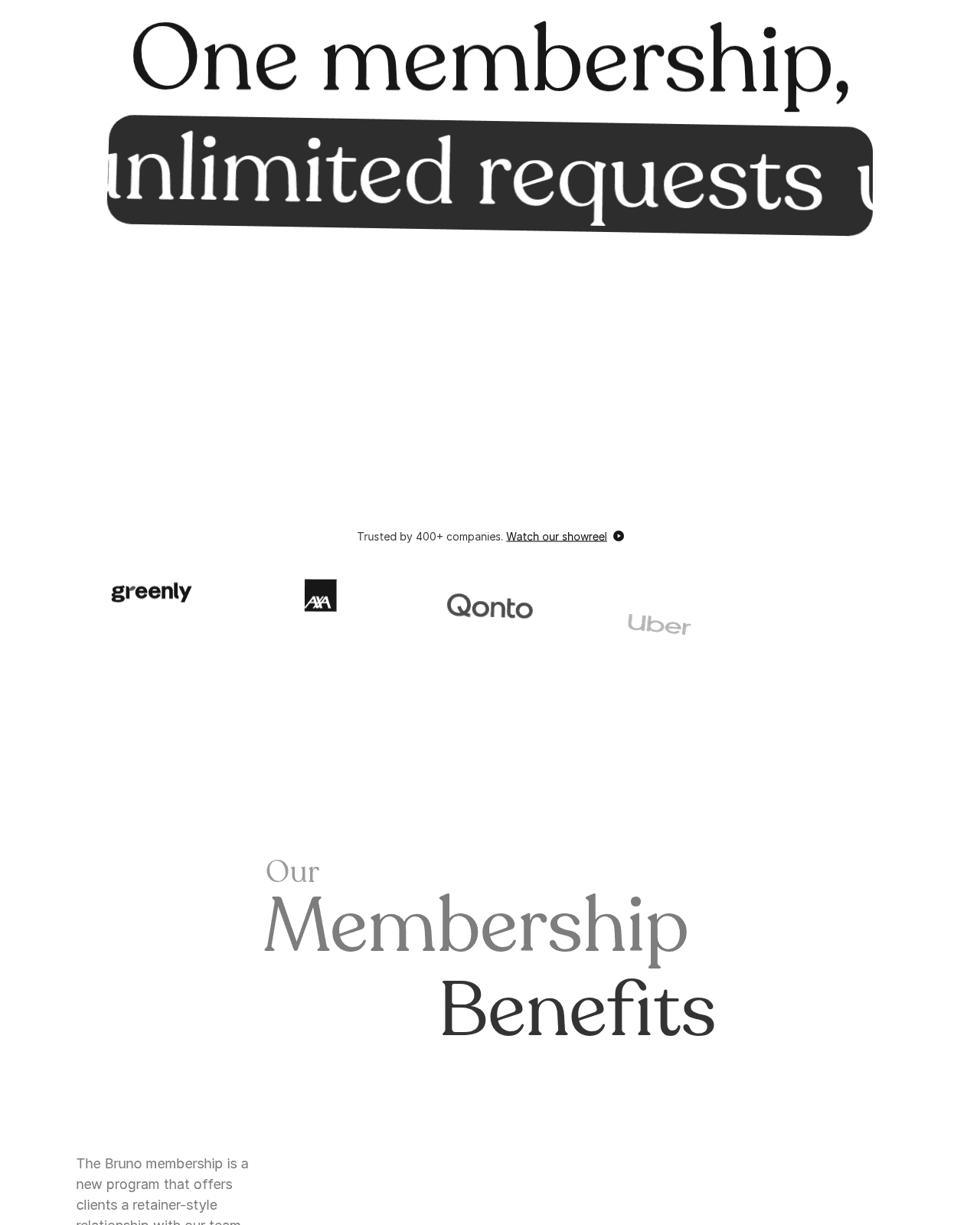
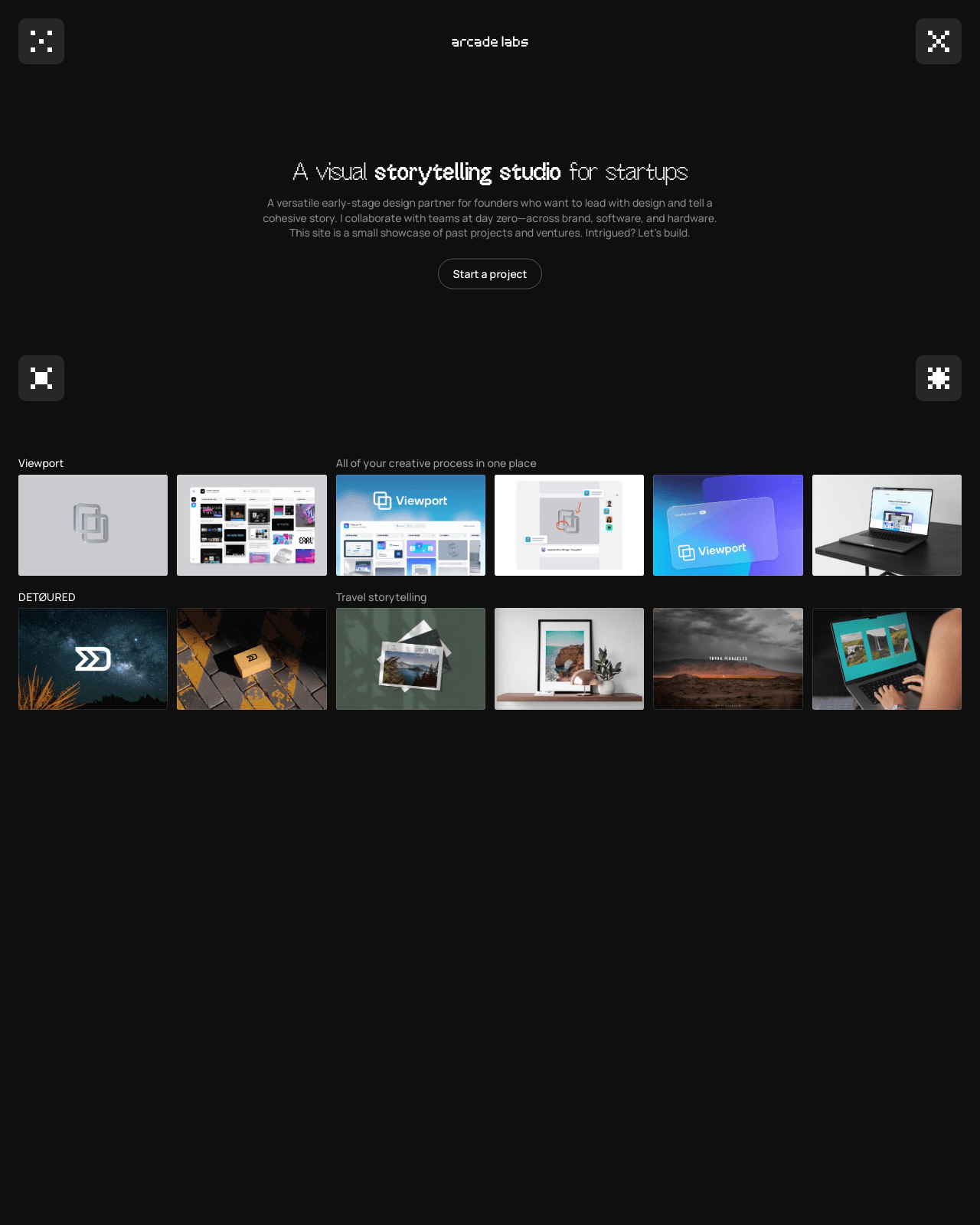
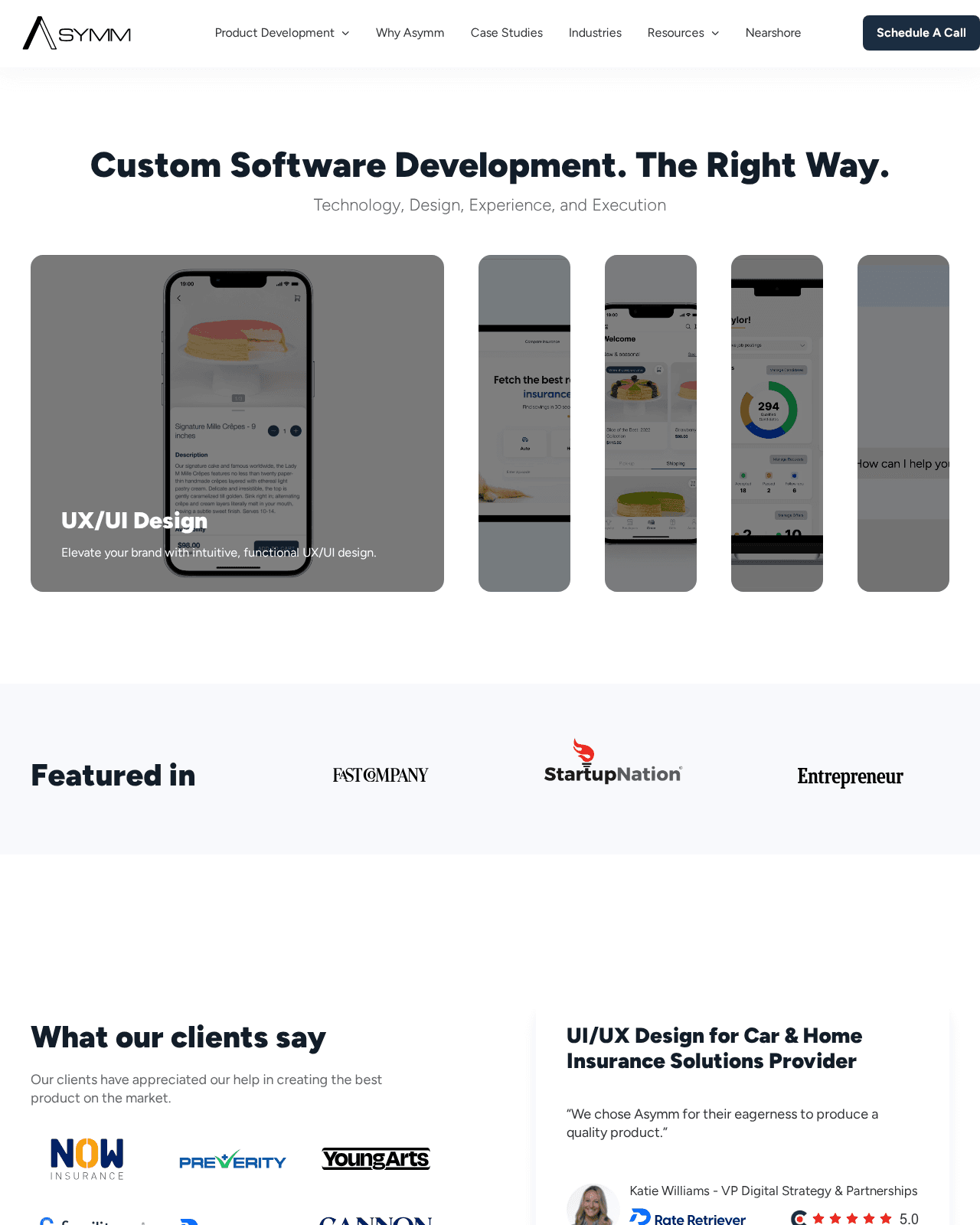
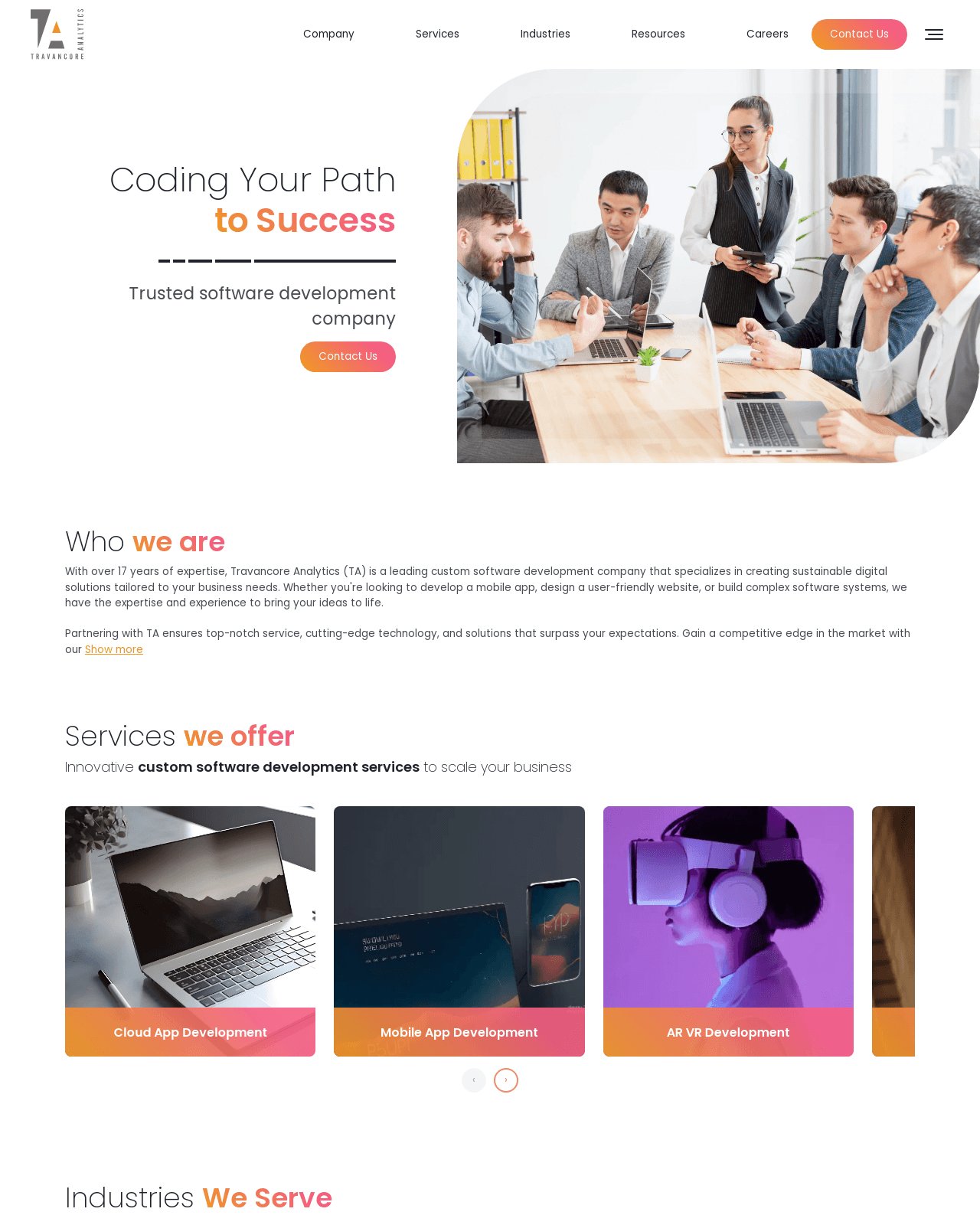
Browse 800+ vetted design agencies based in San Francisco. Filter by specialization, pricing, and past clients to find the agency that fits your project.


Load More
The Design Industry in San Francisco
San Francisco occupies a unique position in the global design landscape. It is the city that produced much of the design philosophy behind the modern internet, the principles of user-centred design, the discipline of UX research, and the idea that software interfaces should be intuitive rather than learned. That intellectual foundation still runs through how design agencies here approach problems. There is a rigour to San Francisco design culture, a belief that good design should be validated, not just made, that you do not find to the same degree in any other market.
The consequence of that culture is that San Francisco is the strongest market in the world for product design, UX, and web design agencies in San Francisco work tied to technology products. The Bay Area's density of software companies, from early-stage startups to some of the world's largest technology corporations, has created a client base that understands and demands sophisticated design thinking. Agencies here have sharpened their practice on briefs that require research, systems thinking, and scalability, and it shows in the quality of digital product work that comes out of the city.
Brand and identity work is less dominant here than in New York or London, but it exists. The Mission District and SoMa have a concentration of studios that work across brand identity, web design, and digital for tech companies and consumer startups. As Bay Area companies have matured and needed to build brand equity alongside product quality, a stronger brand design culture has developed, and a branding agency in San Francisco today has access to some of the most commercially rigorous brand briefs in the country.
What San Francisco Businesses Hire Design Agencies For
San Francisco's economy is more concentrated than most major markets. Technology dominates, and the design briefs that come out of it reflect that focus:
Enterprise software companies and B2B SaaS platforms that need product design, UI/UX, and design system work capable of handling complexity at scale and performing for professional users.
Consumer technology companies, from social platforms to fintech apps, that need product design and brand identity that can compete for attention in markets where design quality is table stakes.
Venture-backed startups at every stage that need web design agency San Francisco teams capable of building a credible digital presence quickly, from landing pages through to full product interfaces.
Biotech and life sciences companies, which have a significant presence in the Bay Area, that need scientific communication design, brand identity, and investor-facing materials that balance technical credibility with accessibility.
Climate tech and sustainability-focused companies that have grown substantially in the Bay Area need a brand identity that communicates both scientific rigour and broader purpose.
Crypto, Web3, and decentralized technology companies that need brand and product design from agencies that understand the specific visual and communication conventions of that ecosystem.
Local vs Remote: What San Francisco Buyers Should Know
For technology product work, San Francisco agencies have a genuine edge that is difficult to replicate remotely. The depth of product design experience here, the familiarity with how tech companies are structured and how product decisions are made, means that local agencies often onboard faster and produce more relevant work for technology clients than outside studios can. If you are building a product or a digital platform, the argument for local is stronger here than in most other cities.
For brand identity, packaging, or marketing design that is not specifically tied to technology culture, the advantage narrows considerably. A consumer goods company in the Bay Area may find the best branding agency for their brief is in New York, London, or Los Angeles rather than San Francisco. Use the Remote OK filter to cross-reference before committing to local, particularly for non-technology briefs.
How Much Do San Francisco Design Agencies Charge?
San Francisco agencies are priced at the top of the US market, on a par with New York and higher than most other American cities. The Bay Area's cost of talent, office space, and operations drives rates that reflect the city's position as one of the most expensive places in the world to run a business. For technology product work, those rates are typically justified by the depth of expertise available here.
Budget Range | Agency Type | What to Expect in San Francisco |
|---|---|---|
$5,000 – $10,000 | Independent studio | Focused deliverable from a small team. A landing page, a brand identity starting point, or a defined UX audit. Limited discovery at this level. |
$10,000 – $25,000 | Established studio | A properly scoped branding or web design project. For tech companies, this range often covers a solid marketing site or a focused product design sprint. |
$25,000 – $60,000 | Mid-to-senior agency | Multi-phase product design or brand engagement with research, design, and testing. Standard range for Series A and B companies making serious design investments. |
$60,000+ | Senior SF agency | Strategic partnerships with established agencies carrying deep tech sector experience. Dedicated teams, design systems work, and the ability to operate within complex product organizations. |
One thing that distinguishes San Francisco agency pricing is that the $10,000 to $25,000 range tends to be heavily weighted toward technology product work. If you need brand identity or marketing design at this budget, you may find better value and more relevant experience with agencies in Los Angeles or even outside the US. Know your brief before you filter by location.
Frequently Asked Question
How many design agencies are in San Francisco?
finddesignagency.com lists 800+ vetted design agencies based in San Francisco. Use the specialization and pricing filters above to narrow by what your project needs.
How much do design agencies in San Francisco charge?
San Francisco agencies are priced at the top of the US market. Most serious projects land between $10,000 and $60,000 depending on scope and specialization. For technology product work, that pricing reflects genuine depth of expertise. For brand or marketing design, you may find better value elsewhere.
Do I need a local design agency in San Francisco, or can I hire remotely?
For technology product design, UX, and digital platform work, local San Francisco agencies have a genuine advantage worth considering. For brand identity, packaging, or marketing design not tied to technology, the best agency for your brief may be in another city. Use the Remote OK filter to compare before deciding.
What types of design agencies are based in San Francisco?
San Francisco has the deepest concentration of product design and UX agencies of any city in the world. It also has strong web design, branding, and digital agency coverage, particularly for technology clients. Use the specialization filter to find agencies matching your specific project type.
Which areas of San Francisco have the most design agencies?
SoMa and the Mission District have the highest concentration of design agencies, reflecting their proximity to the city's technology and startup communities. The Financial District houses more corporate-facing brands and communications studios. The broader Bay Area, including Oakland and Berkeley, has additional independent studios worth considering.
Why is San Francisco considered the best city for product design agencies?
San Francisco's proximity to the world's largest technology companies has shaped a design culture built around product thinking, user research, and systems design. Agencies here have been sharpened on briefs from companies that treat design as a core business function, and that raises the standard of product design work across the market.